Loading content
REVIVE • RESTORE • REACH
Rayalaseema's first and most advanced robotic Physiotherapy & Rehabilitation centre
WELLNEST combines expert physiotherapy with state-of-the-art rehabilitation to help you recover function and achieve lasting wellness from neurological, spinal, and joint conditions.
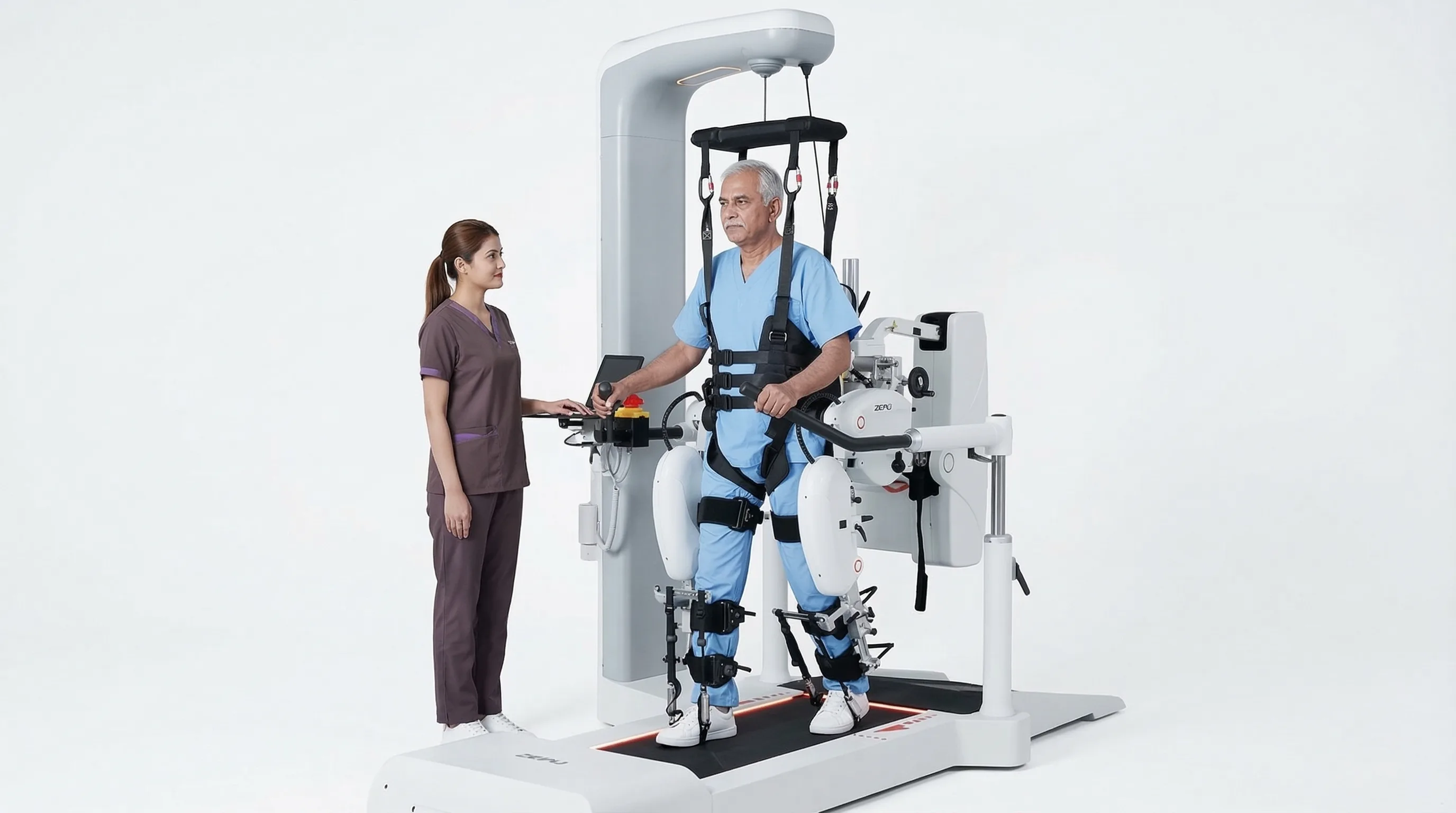
The technique of Gait Training Robotics is a sophisticated rehabilitation technique that incorporates robotics and exoskeleton technologies with the use of body-weight support treadmills to restore walking skills. This technique uses robotics to ease the natural gait cycle of the patient by supporting his/her body weight.
Learn More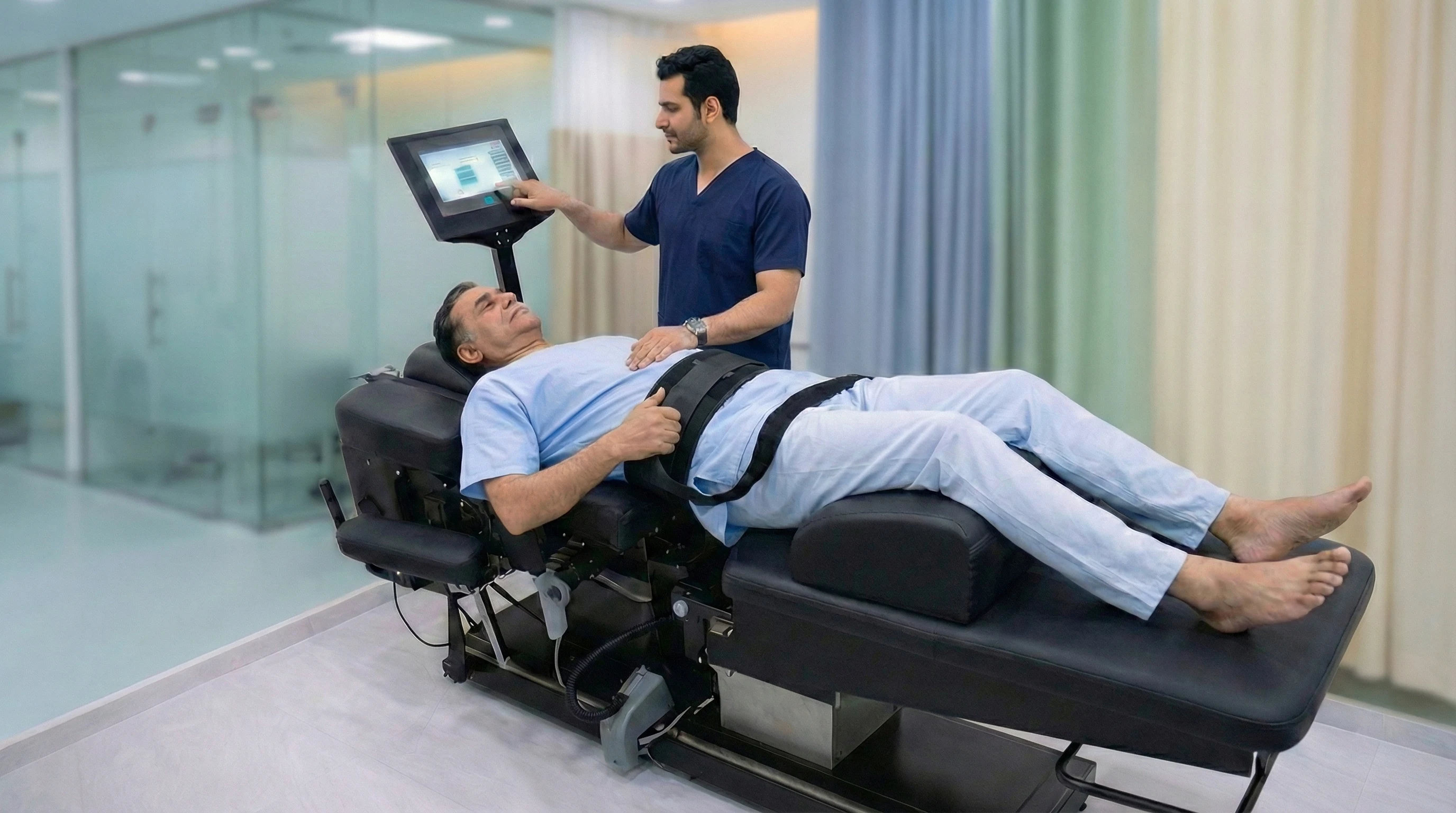
This is a specialized computer-based treatment that gently stretches the spine using the most sophisticated techniques possible to decrease pressure in the spinal discs and compressed nerves. Using robotic technology, the system calculates the exact angle, force, and duration of decompression according to individual spinal conditions of each patient.
Learn More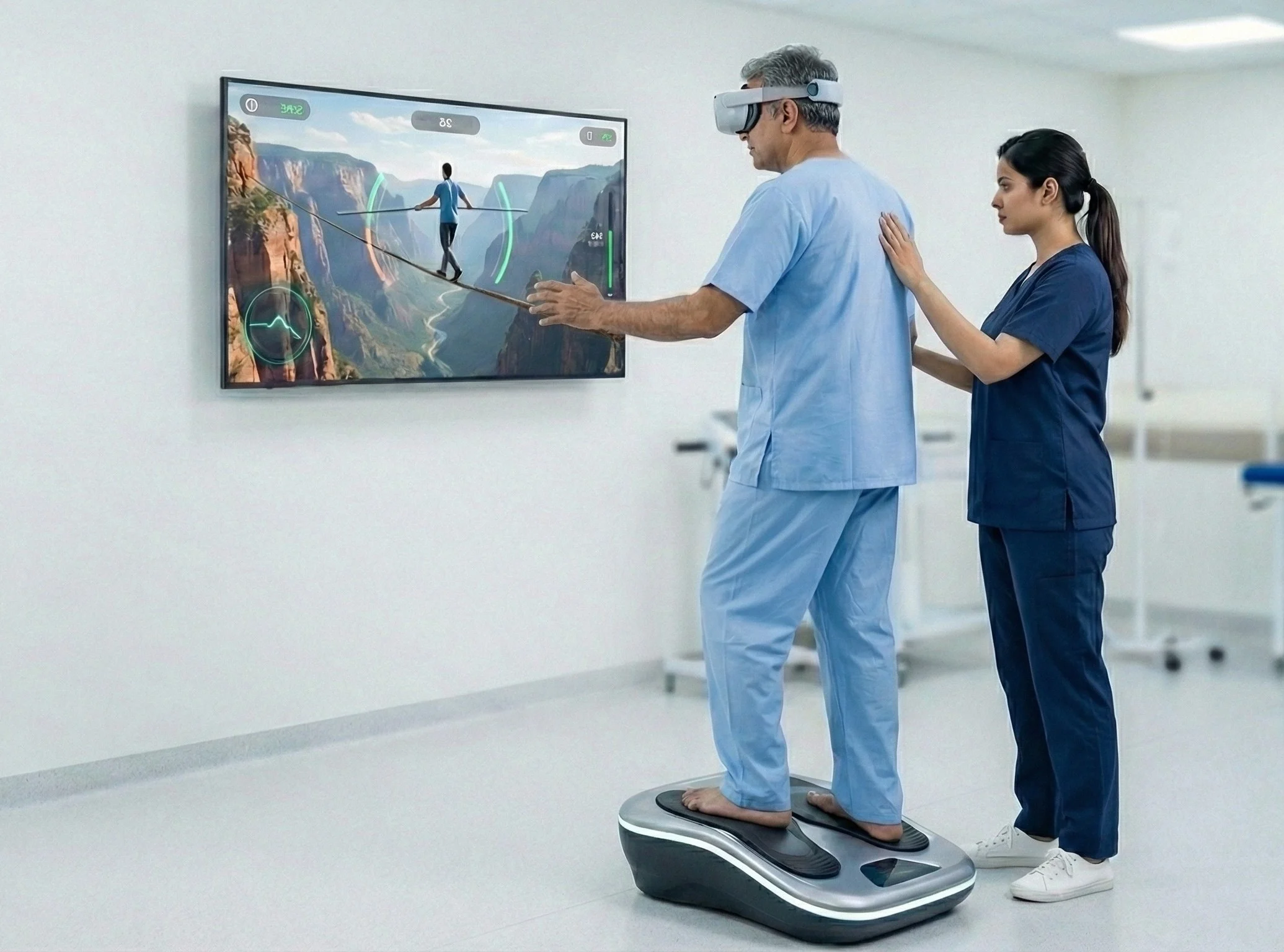
The Virtual Balance Training is a very sophisticated type of rehabilitation therapy, based on virtual reality technology, computerized balance platforms, and movement analysis in real time. The patients have to interact with fascinating virtual environments while doing special balance exercises that affect brain's balance and movement systems.
Learn More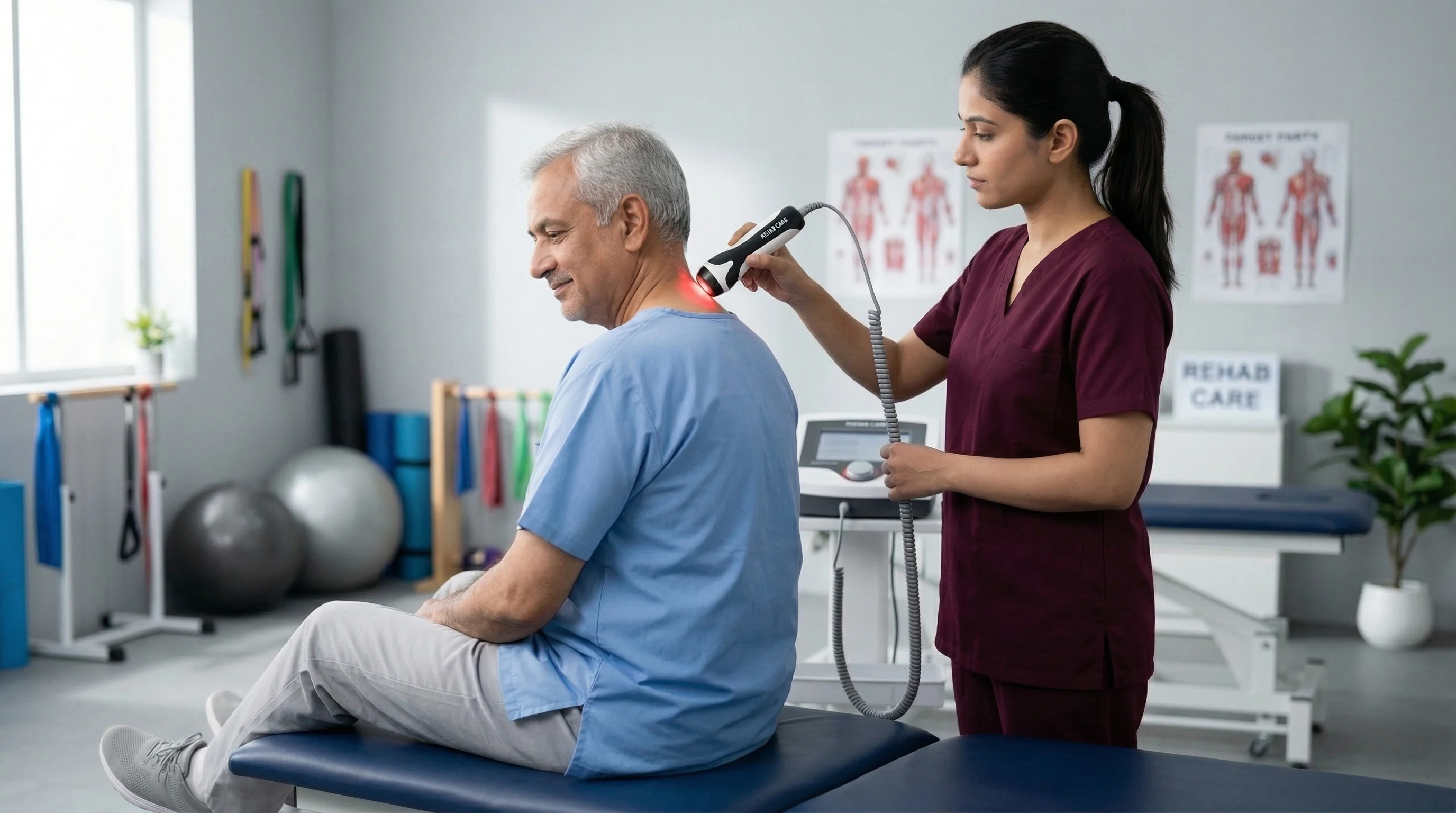
The Class IV Laser Therapy is a non-surgical technique which uses powerful laser energy within the body targeted at muscles, joints, ligaments, tendons, and nerves. It promotes healing via photobiomodulation, which means cellular regeneration, reduced inflammation, enhanced blood circulation and natural healing process of the body.
Learn More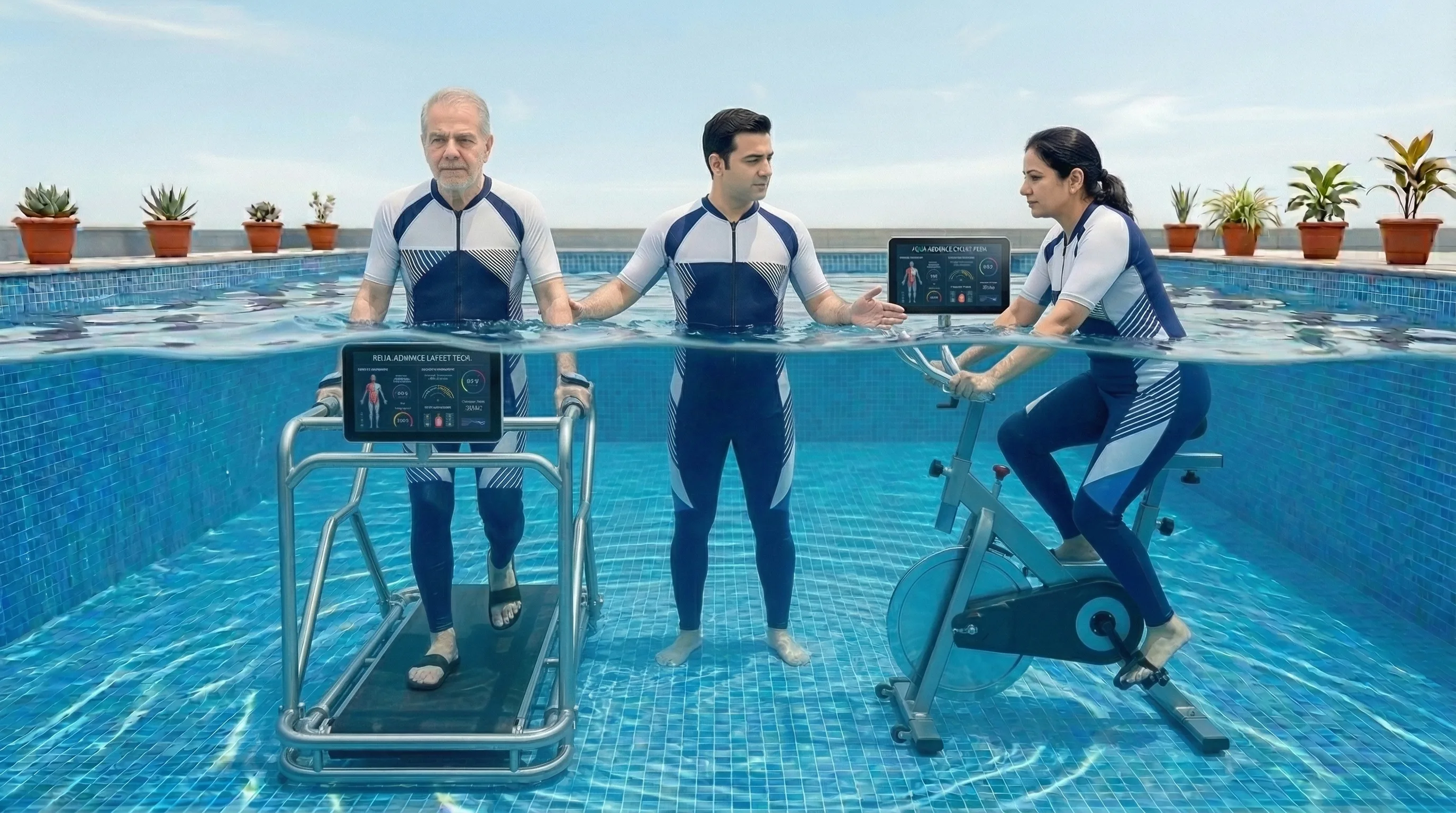
The Aqua Therapy, or Hydrotherapy, is an advanced method of treatment which involves special pools in which the healing properties of water help exercise without experiencing pain and strengthen the muscles. The weightlessness provided by water allows up to 90% reduction of patient's body weight, so some exercises become possible which might not be done in any other way.
Learn More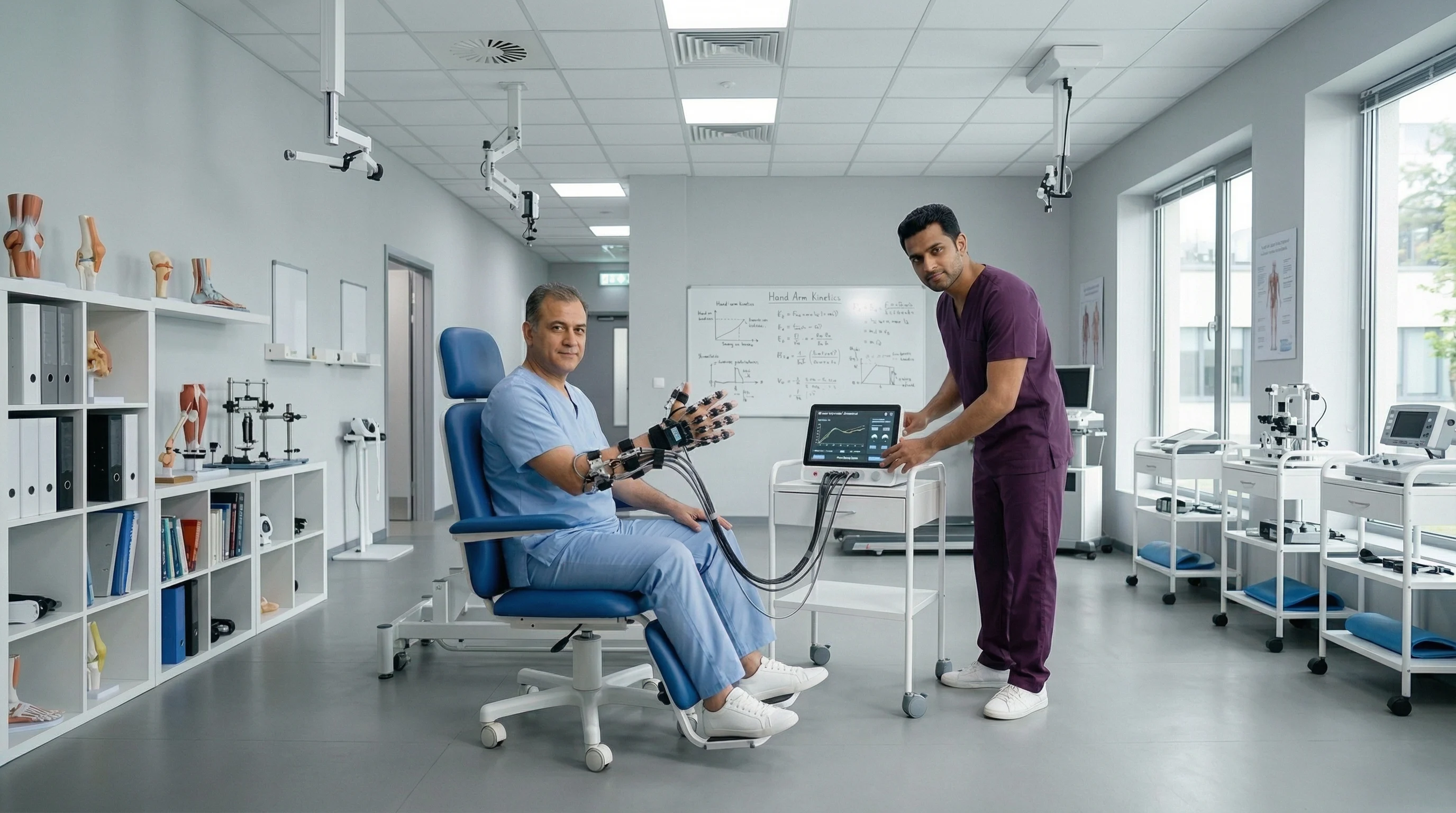
This is an advanced technology-driven form of therapy that aims to help patients restore their arm and hand capabilities in cases of neurological injury. The therapy makes use of robots and sensors and provides patients with interactive sessions aimed at detecting voluntary movements in patients and helping them undertake functional activities. This leads to neuroplasticity and helps accelerate the recovery of the upper limbs.
Learn More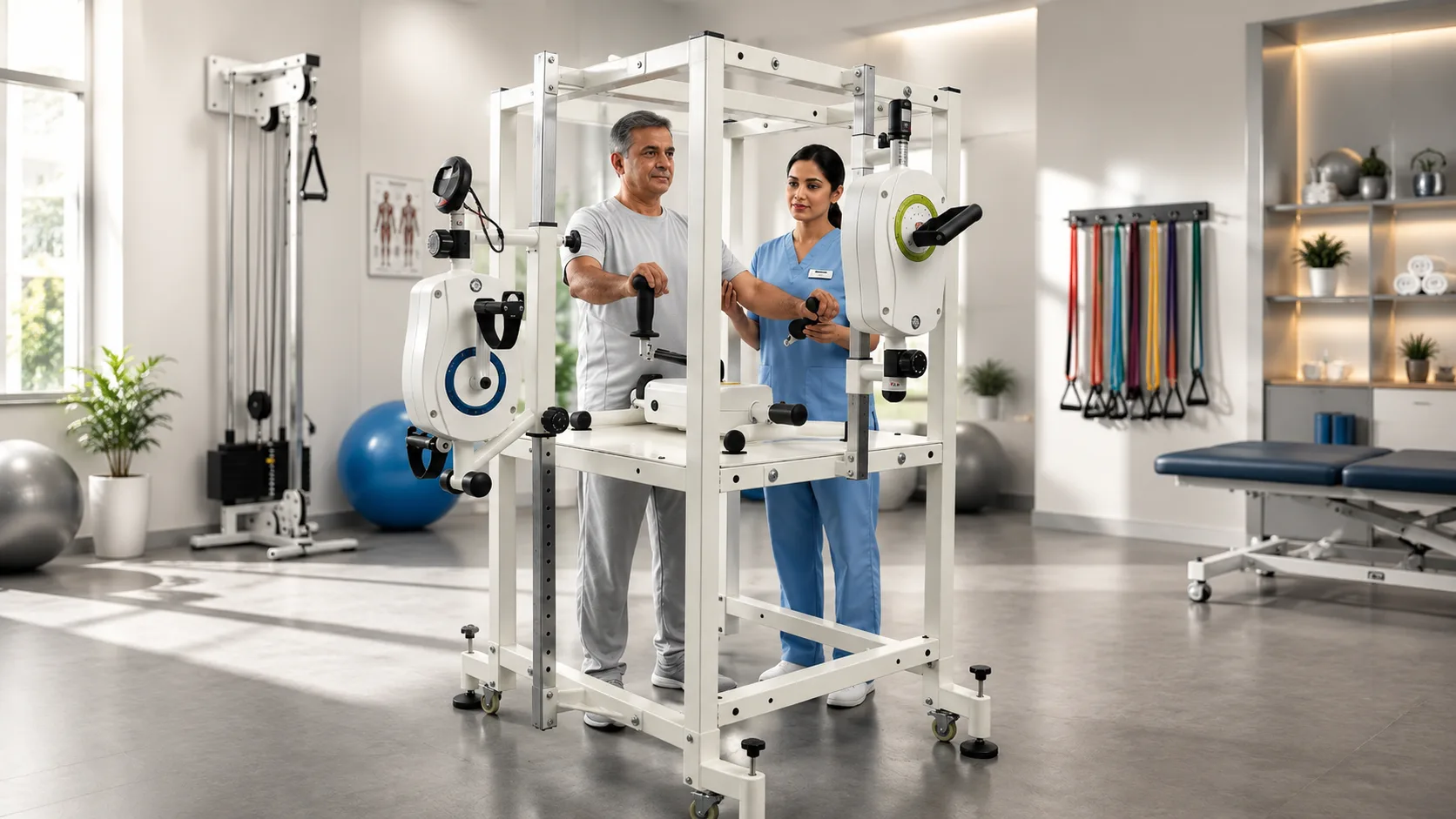
Multi-Axis Rehabilitation is an advanced technology-assisted rehabilitation system that trains patients to maintain balance, posture, and body control while standing or sitting on a computer-controlled platform capable of moving in multiple directions. The therapy challenges the body's balance mechanisms in a safe and controlled environment, helping improve coordination, stability, proprioception, and functional mobility.
Learn More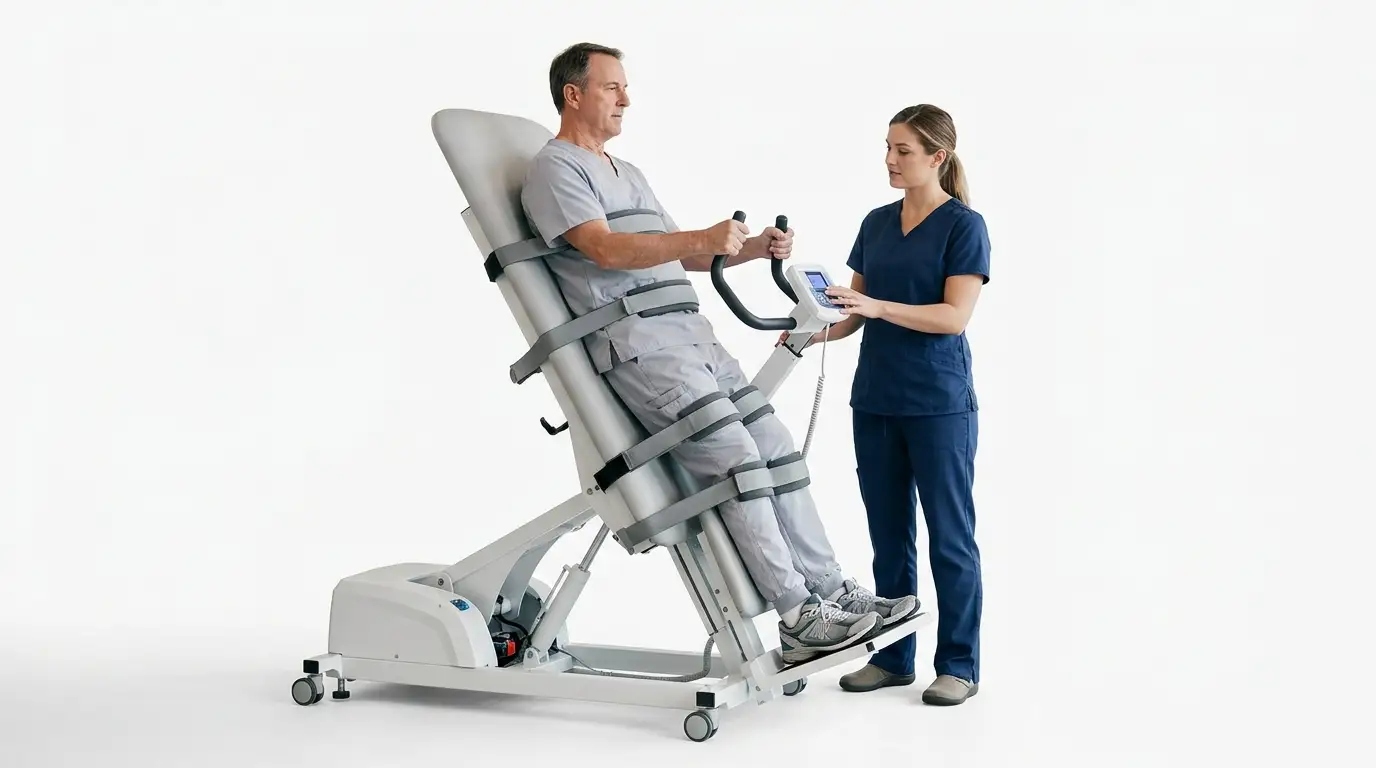
Motorized Tilt Table & Standing Frame Therapy is a modern rehabilitation approach that gradually moves patients from being in a horizontal position into a vertical one through the use of computerized tilt tables or standing frames. Through this therapy, patients who are unable to stand by themselves are able to initiate their rehabilitation through weight bearing while enjoying all the benefits that come along with it without experiencing adverse effects.
Learn More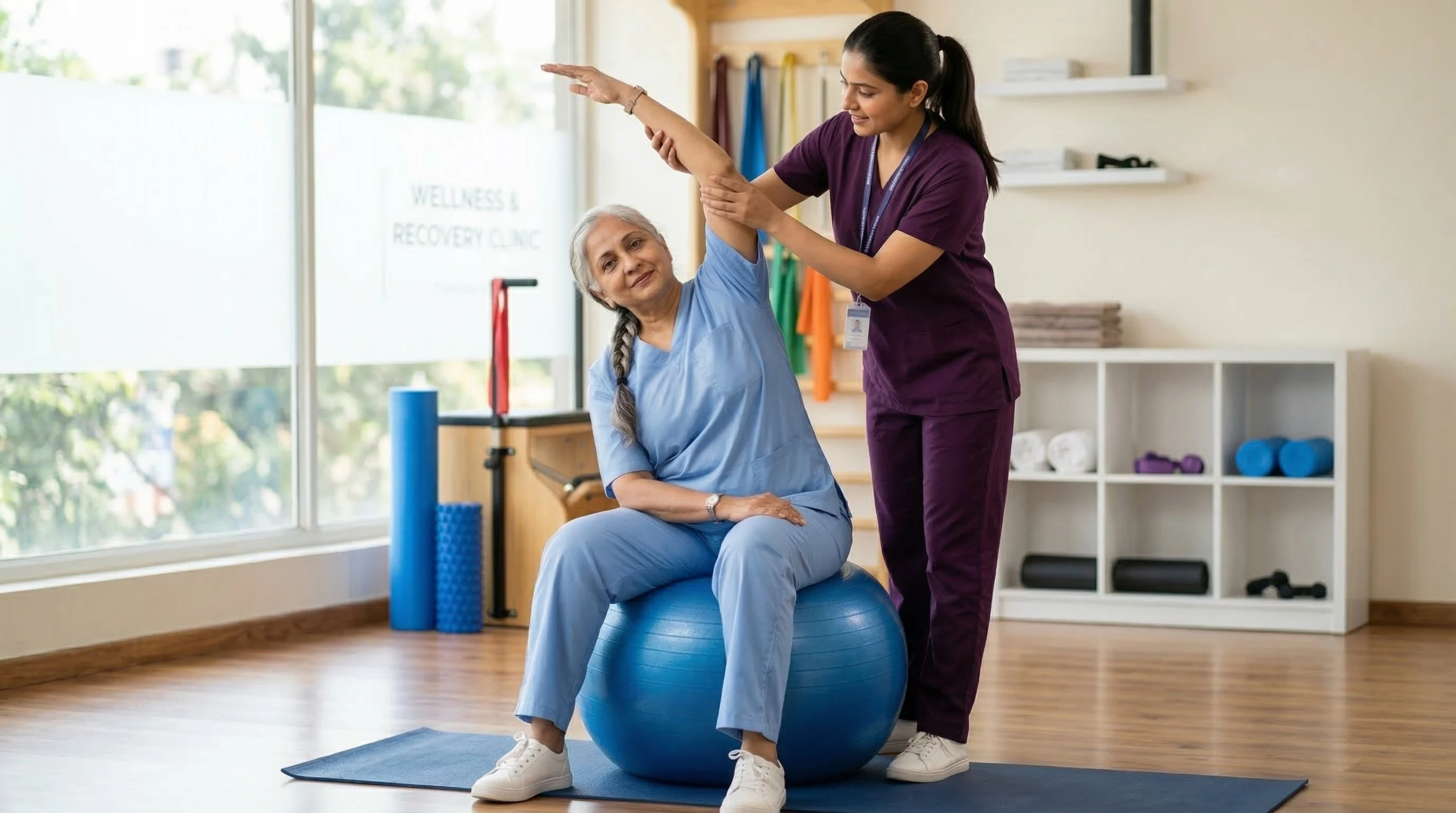
Wellness Training is an all-inclusive preventive health and wellness training program that helps to enhance physical well-being, fitness, mobility, posture, muscular strength, flexibility, endurance and overall well-being. While rehabilitation deals with treatment and recovery from illness or injuries, wellness training program aims at disease prevention, healthy aging, injury prevention and overall lifestyle improvement through scientifically based exercises under the guidance of rehabilitation specialists.
Learn More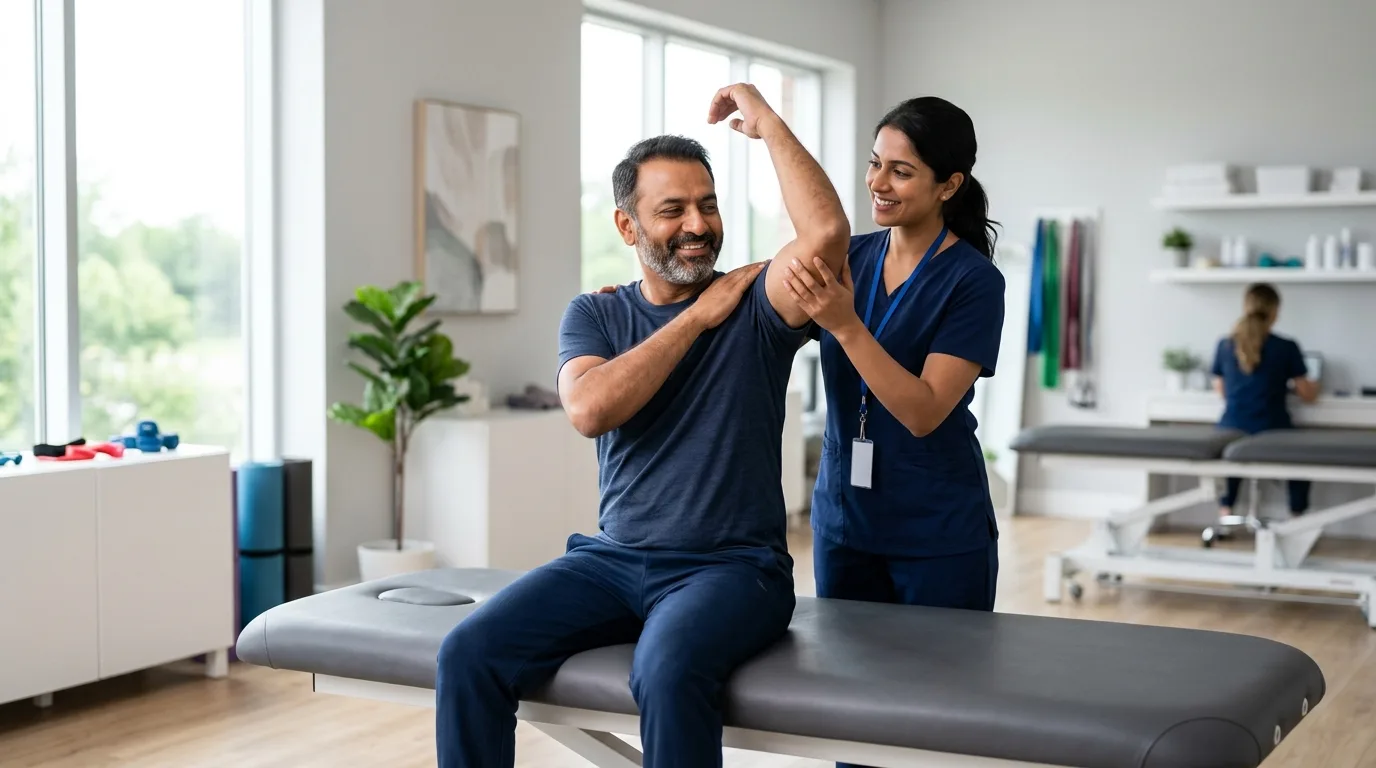
Geriatric Rehabilitation is a special type of rehabilitation program meant for senior people who have reduced mobility, balance issues, muscle weakness, neuromuscular disorder, orthopedic problems or functional impairment as a result of old age, sickness, surgery or any other form of injury.
Learn More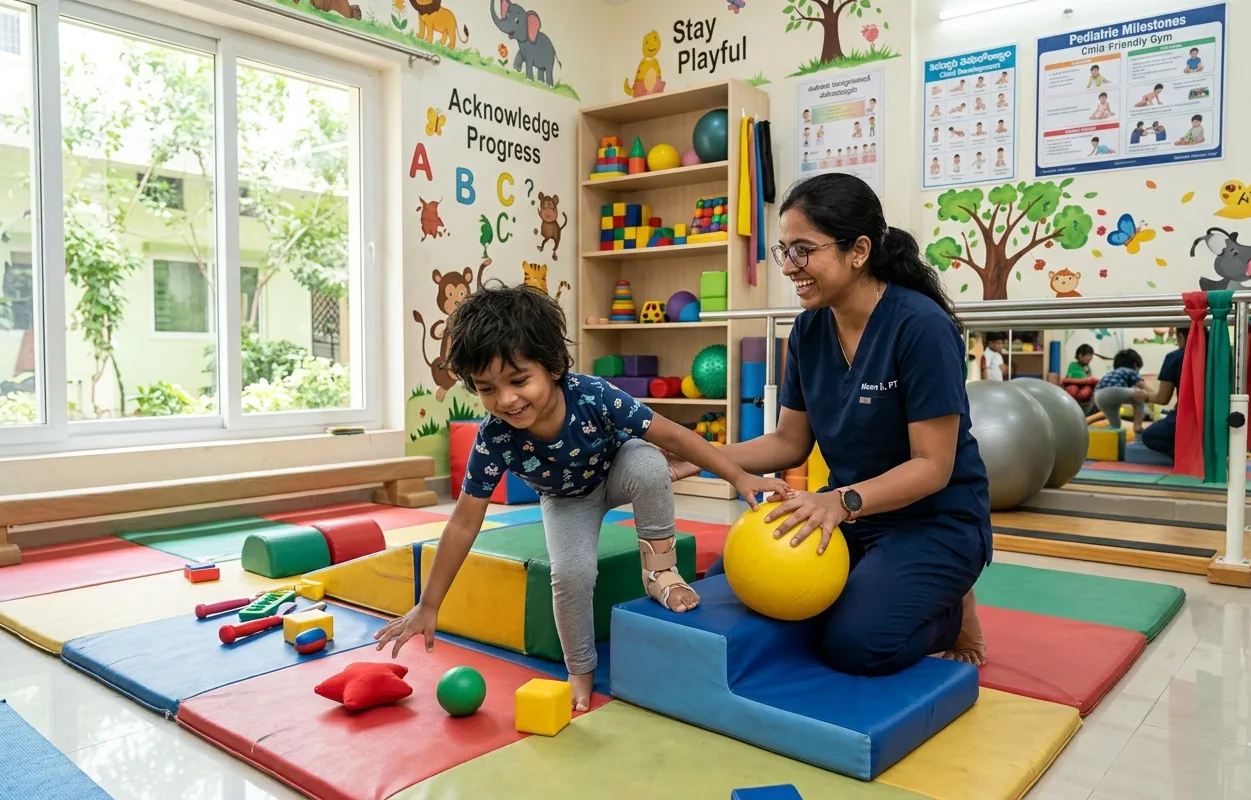
The Paediatric Rehabilitation is an exclusive rehabilitation program which aids infants, children and adolescents who have problems related to neurological, developmental, orthopedic and neuromuscular problems. This program through play therapy, physiotherapy, occupational therapy, speech therapy, balancing, sensory integration and educating families enables children to reach their optimum potential for independence and development.
Learn More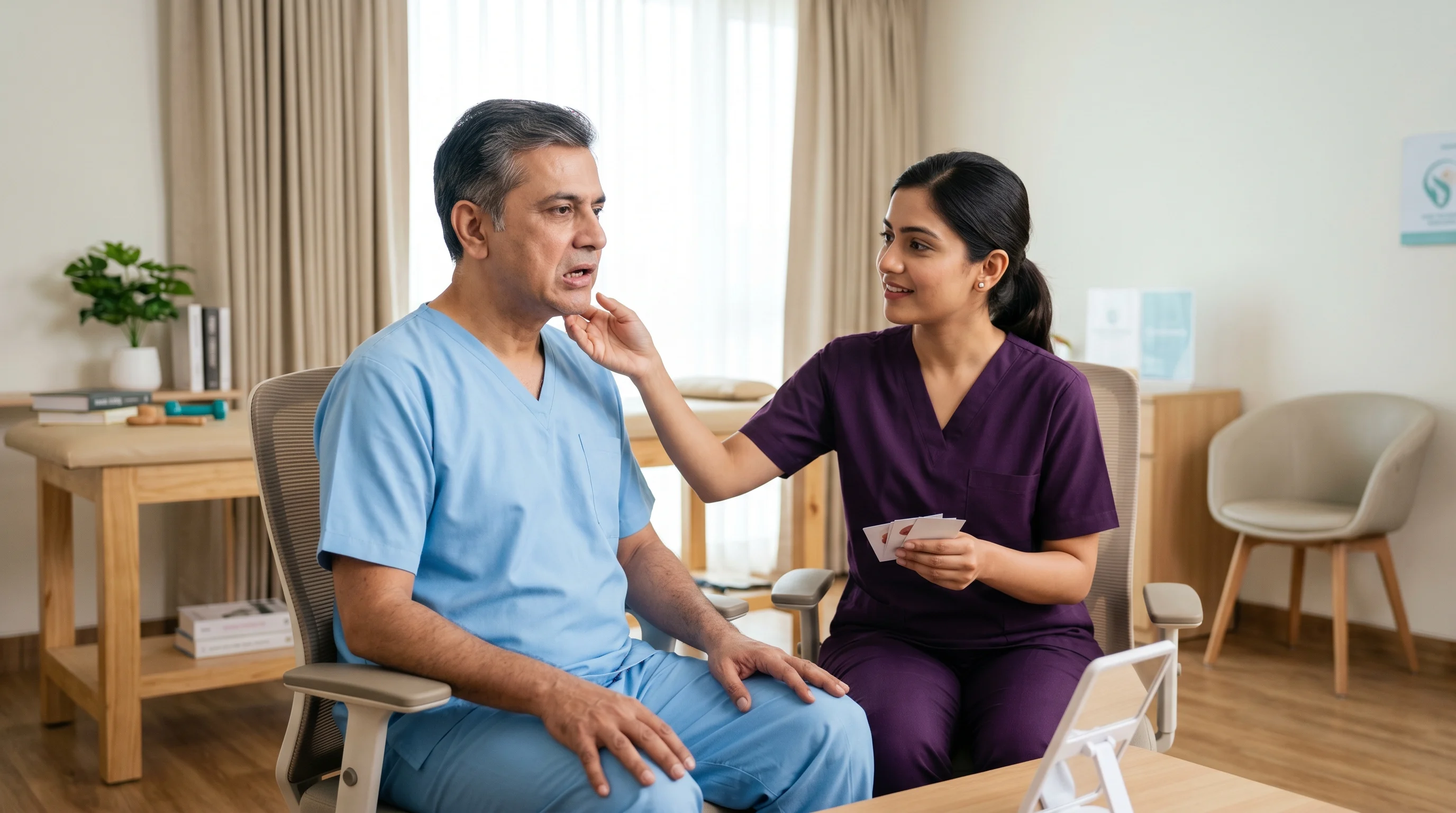
The Speech & Swallow Therapy is an exclusive rehabilitation program that enables people recover from problems relating to speech, language, voice, communication skills, cognitive skills and swallowing related to neurological diseases or injuries, surgeries or developmental problems. An individual program that includes scientifically based speech and swallow therapy, voice therapy and oral motor activities restores communication, nutrition and independence.
Learn More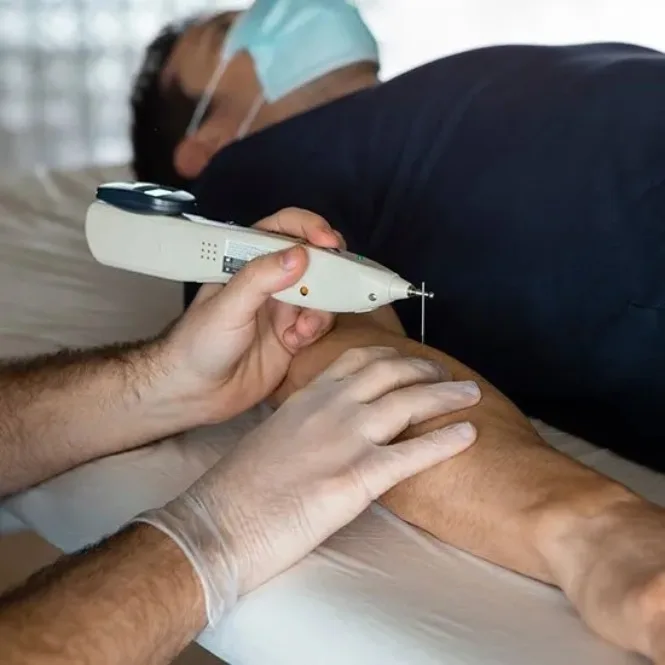
Dry Needling Therapy is an advanced physiotherapy modality that involves the use of thin, sterile, and solid filament needles on myofascial trigger points, muscle knots, and dysfunctional soft tissues. Unlike the acupuncture method, dry needling uses modern-day anatomy, neurophysiology, and scientific knowledge of musculoskeletal medicine. The therapy serves the purpose of reducing pain, relaxing muscles, enhancing movement, and speeding up recovery.
Learn More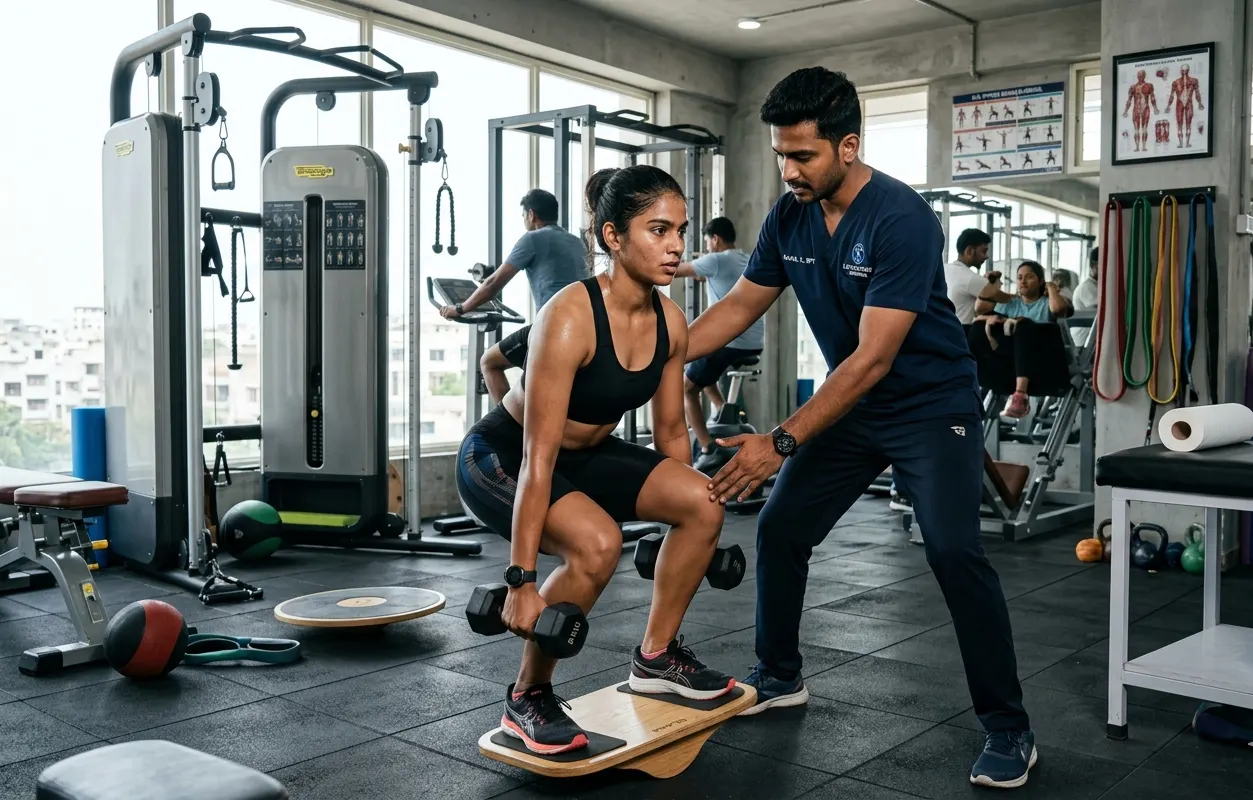
Sports Injury Rehabilitation is a specialized rehabilitation program meant for athletes and fitness enthusiasts who suffer sports injuries. Through scientific physiotherapy, movement analysis, strength training, balance exercise, sport-specific training, and sports injury prevention techniques, the program allows patients to recover safely and achieve peak physical performance.
Learn More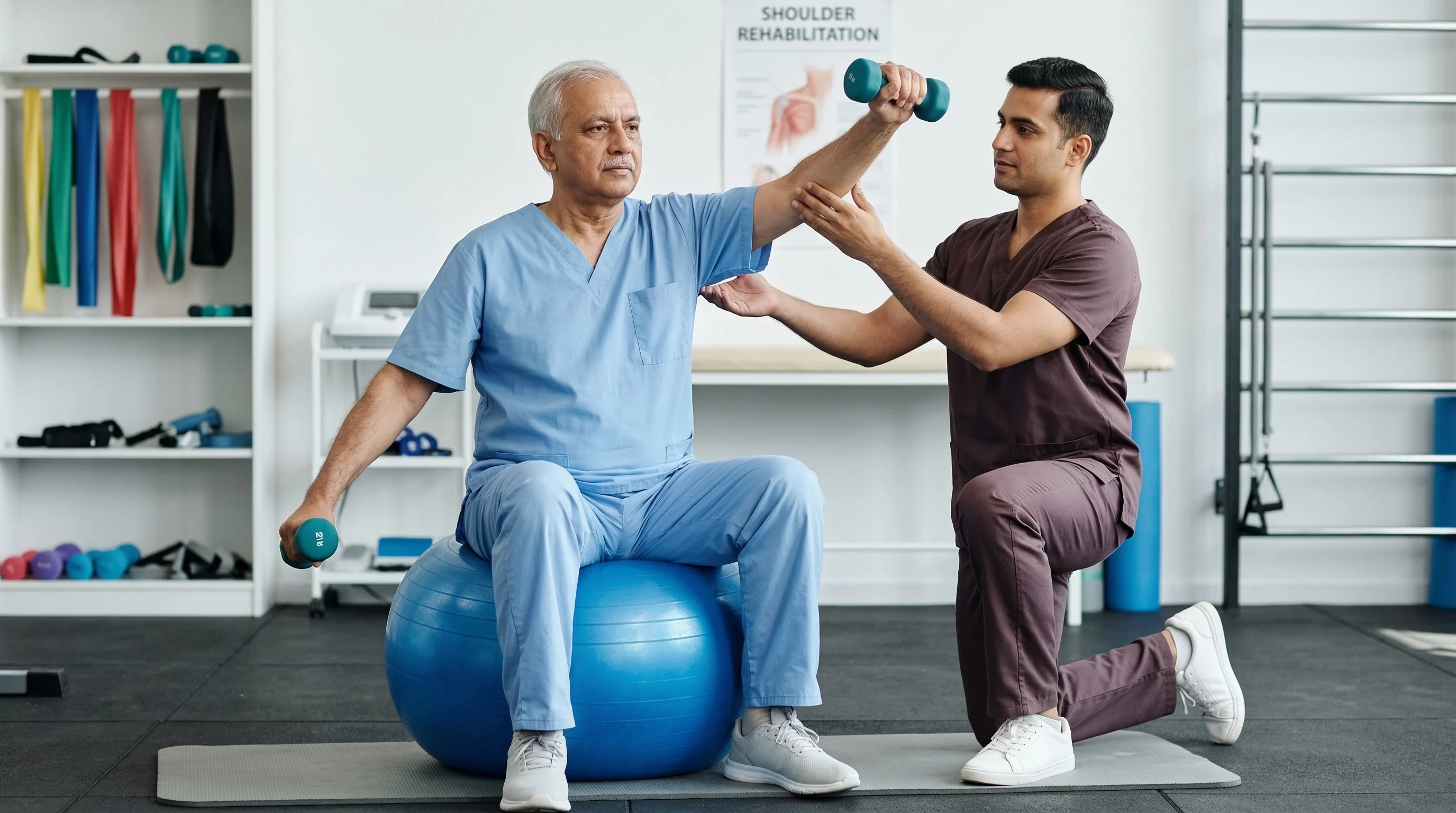
Orthopedic Rehabilitation is a specialized rehabilitation program meant to help patients achieve safe recovery after fractures, orthopedic surgery, joint replacement, ligament injuries, tendon repair, and other musculoskeletal disorders. Through personalized physiotherapy, strength training, gait training, balance training, and movement training, patients can regain mobility, alleviate pain, attain independence, and resume normal activity.
Learn More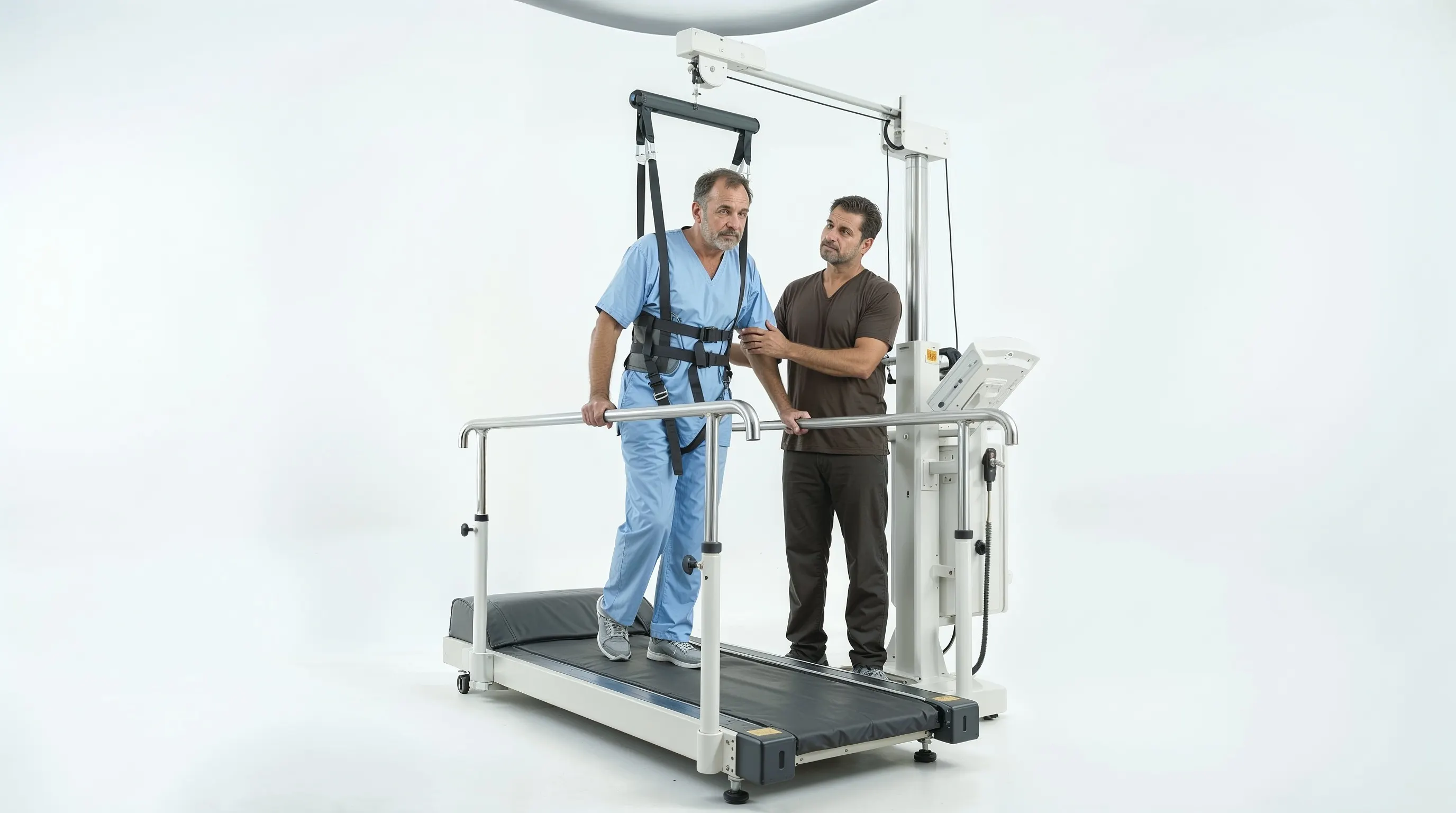
Pre & Post Surgery Rehabilitation is a rehabilitation process that prepares the body both physically and psychologically for surgery (Prehabilitation). Patients benefit from faster recovery and mobility through a combination of personalized physiotherapy, strength training, exercises to improve mobility, pain management, gait training, and functional rehabilitation.
Learn More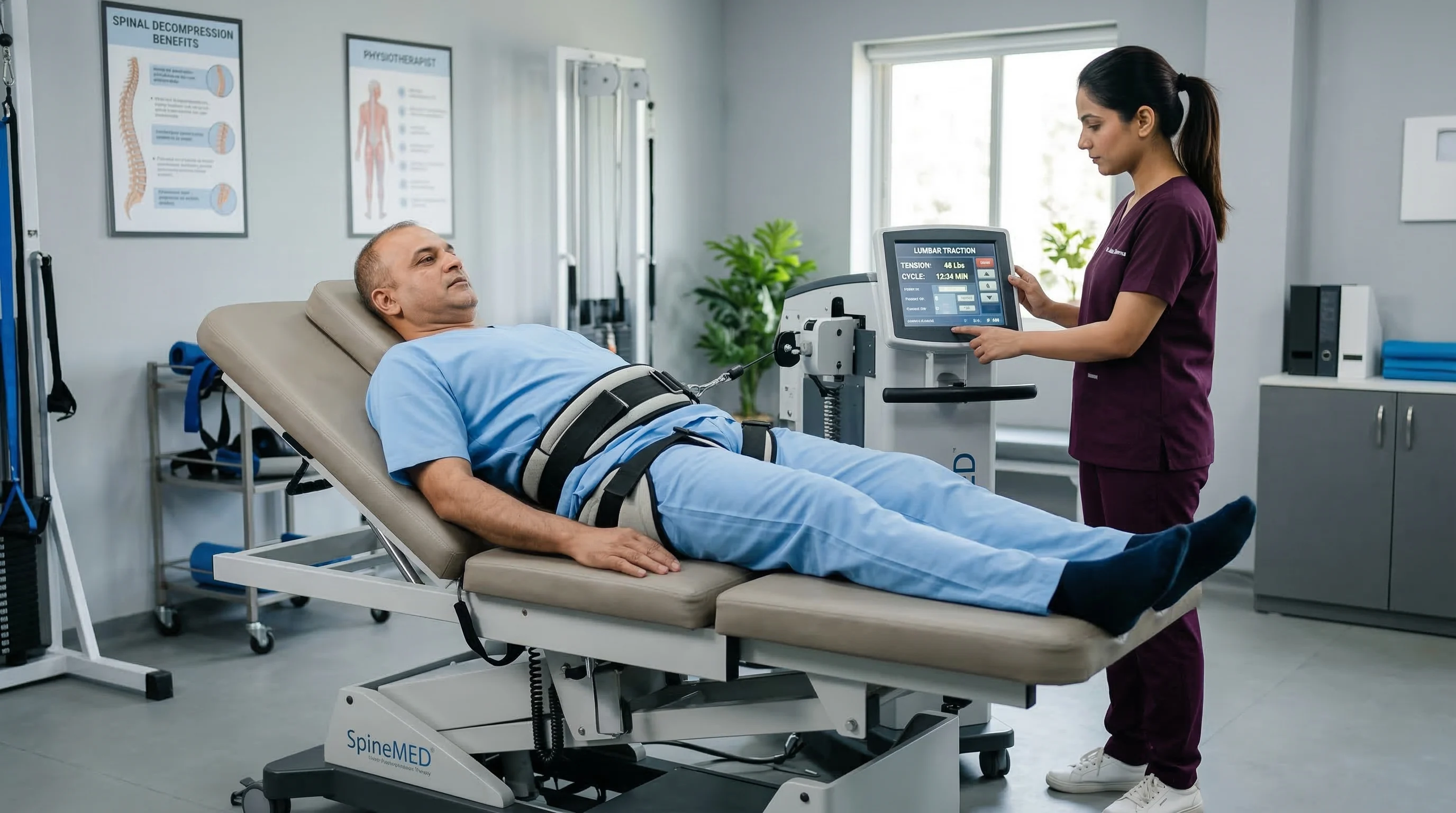
Spinal Cord Injury (SCI) Rehabilitation is a rehabilitation process that aims to restore independence among SCI patients through the use of more intensive rehabilitation techniques and technology. The process includes robotic therapy, physiotherapy, occupational therapy, balance and mobility training, strength training, and psychological counseling for bladder and bowel control.
Learn More
Pain Management Therapy is a comprehensive rehabilitation process which focuses on regaining the function of individuals suffering from either acute or chronic pain. As opposed to managing the pain through the concealment of the pain symptoms, the process identifies the cause of the pain and treats it through physiotherapy, advanced rehabilitation technologies, exercise therapies, lifestyle changes, and education of the patient.
Learn More